Is This Plant Toxic to Your Pet or Child?
Check if any houseplant is safe for cats, dogs, and children. Search by name or upload a photo. Covers 500+ common plants with toxicity levels, symptoms, and emergency steps.
Upload a plant photo
or take a photo for toxicity check
Checking toxicity…
This usually takes a few seconds
Did you know?
Care Essentials
Tailored care for your plant
Light
—
Water
—
Temperature
—
Soil
—
Humidity
—
WHAT YOU’RE SEEING
TREATMENT PLAN
SAFETY CHECK
TOXIC PARTS
TOXIC COMPOUNDS
SYMPTOMS IF INGESTED
FIRST AID
🌿 Safe Alternative:
Without a care plan today, expect…
Real gardeners miss watering too. Our app sends you a follow-up overdue alert if you miss a reminder — so no plant gets forgotten on busy days.
Plant diseases spread fast to nearby plants. Our app sends treatment reminders and follow-up alerts — catching missed doses before the problem reaches healthy plants.
Toxic plants need ongoing vigilance. Our app tracks which plants in your collection are toxic and sends safety alerts — keeping pets and children safe every day.
Your Smart Care Plan for Today
Care Schedule
Tailored care for your plant
Watering
Misting
Pruning
Fertilizing
Rotating
Treatment Reminder
Plant Toxicity and Pet Safety: What Every Plant Parent Needs to Know
Roughly 50% of common houseplants are toxic to cats, dogs, or both. Most cause mild symptoms — drooling, mouth irritation, a bout of vomiting — and resolve on their own. But a small number are genuinely dangerous, and the difference between "mild irritation" and "emergency vet visit" depends entirely on knowing which plant your pet just chewed.
This guide covers the essentials: which plants are actually dangerous versus merely irritating, what to watch for, and when to call for help.
The toxicity spectrum matters more than a yes/no answer
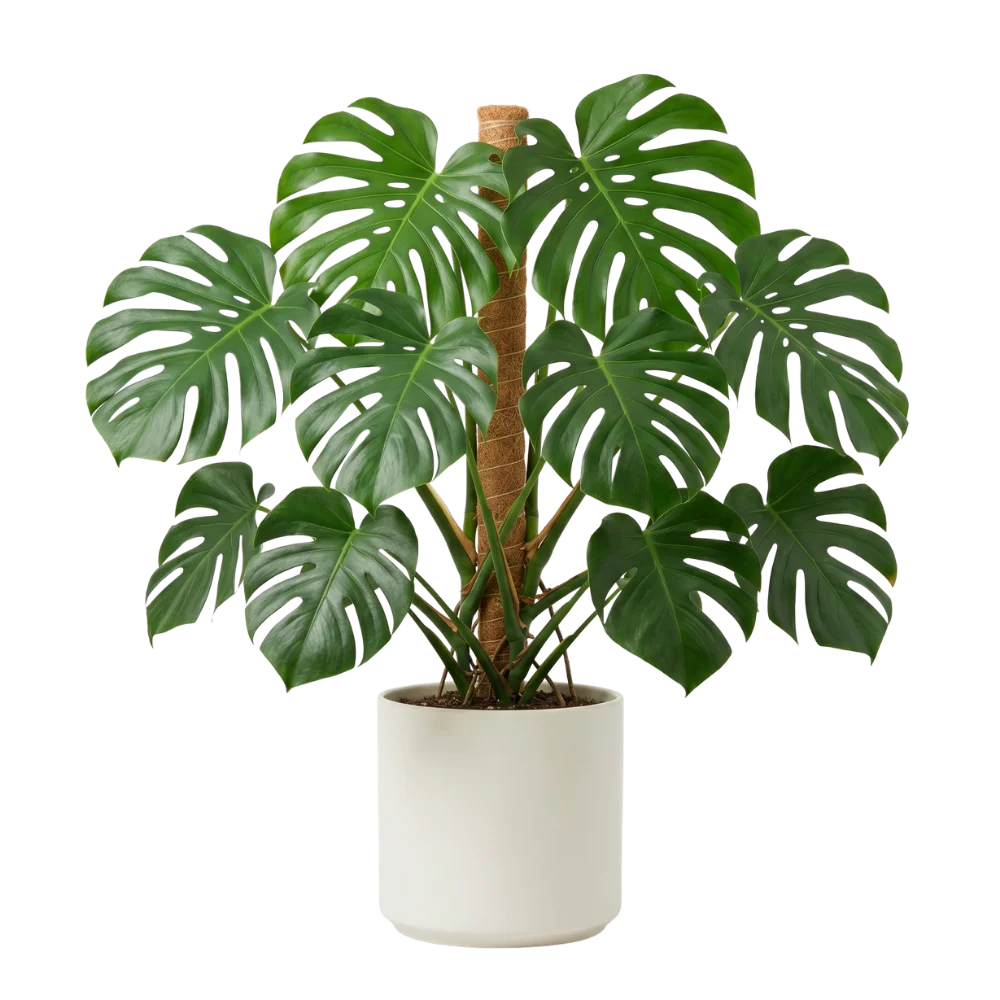
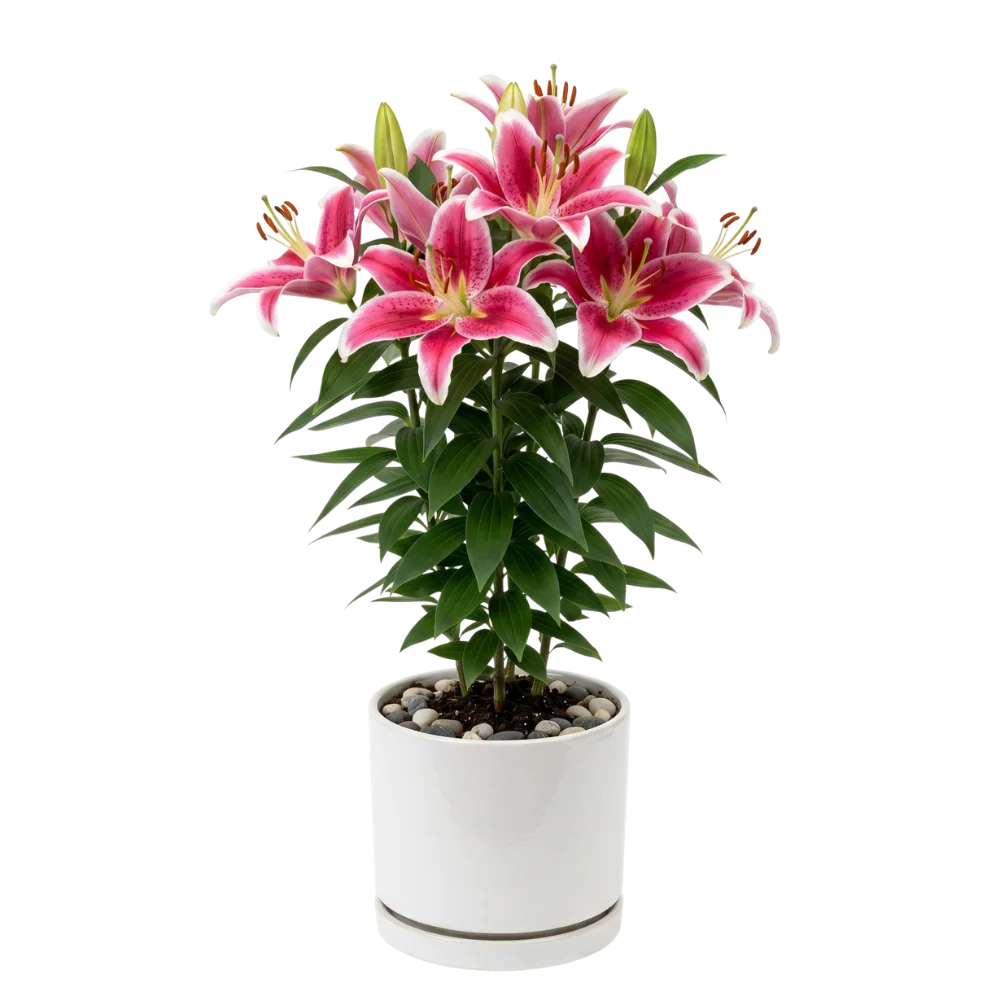
"Is this plant toxic?" is the wrong question. The right question is "how toxic, to whom, and what part?" A monstera causes mouth irritation if a cat chews a leaf — unpleasant but rarely serious. A true lily (Lilium or Hemerocallis species) can cause fatal kidney failure in cats from a single leaf or even pollen on their fur. Both are "toxic." One is an inconvenience; the other is a life-threatening emergency.
This tool shows toxicity levels, not just yes/no — because the response to "mild oral irritant" and "potentially fatal" should be very different.
The most dangerous plants for cats
Cats are more vulnerable than dogs to plant toxicity because they metabolize certain compounds differently. The plants that should never be in a home with cats:
- True lilies (Lilium, Hemerocallis) — potentially fatal. All parts including pollen. Causes acute kidney failure. Emergency vet immediately.
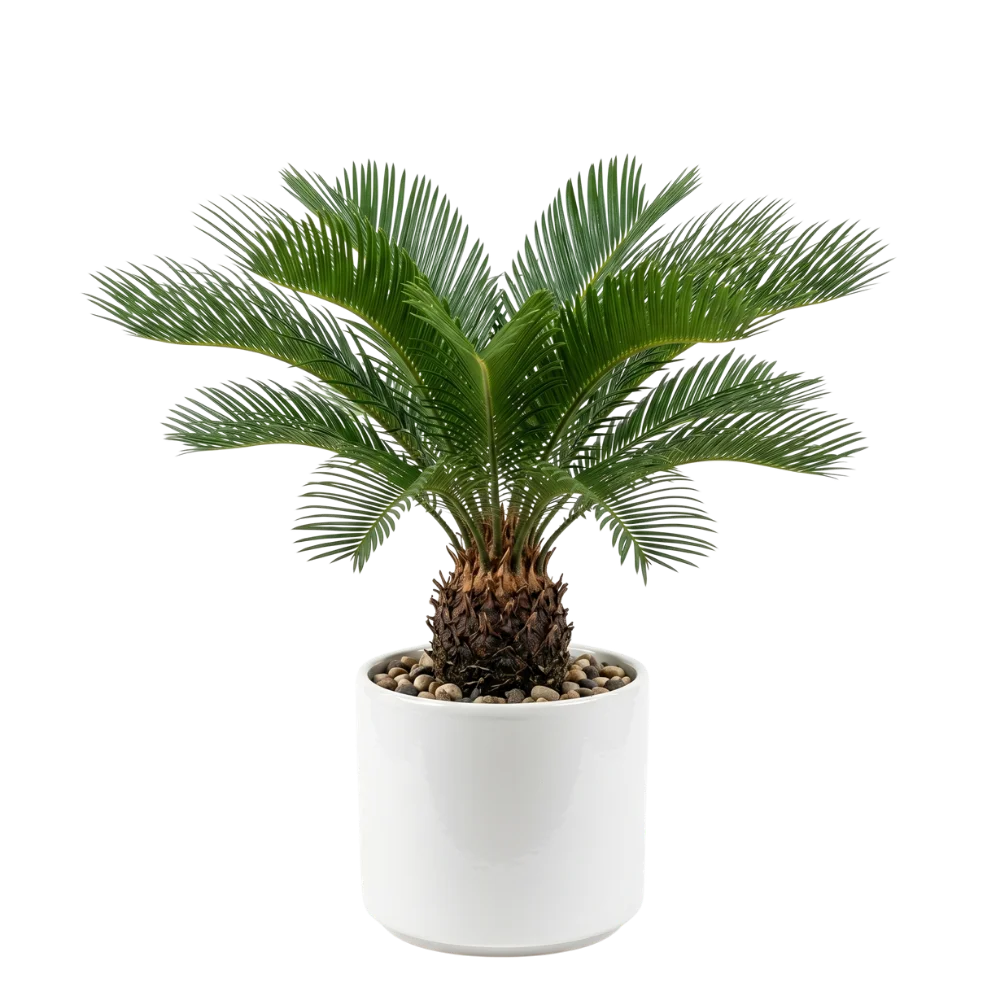
- Sago Palm (Cycas revoluta) — highly toxic. Causes liver failure. Seeds are the most dangerous part.
- Oleander (Nerium oleander) — cardiac toxin. All parts extremely dangerous.
- Autumn Crocus (Colchicum) — contains colchicine. Organ failure possible.
- Azalea/Rhododendron — cardiovascular collapse in severe cases.
If your cat has any contact with these plants, call your vet or ASPCA Poison Control ((888) 426-4435) immediately. Don't wait for symptoms.
The most dangerous plants for dogs
Dogs are less likely to chew random plants than cats, but when they do, they tend to eat more. The highest-risk plants for dogs:
- Sago Palm — the single most dangerous common houseplant for dogs. Liver failure from even a small amount.
- Oleander — cardiac toxin, all parts.
- Castor Bean (Ricinus communis) — contains ricin. Potentially fatal.
- Yesterday-Today-Tomorrow (Brunfelsia) — seizures, potentially fatal.
- Autumn Crocus — organ failure.
Common "toxic" plants that are actually low risk
Many plants labeled "toxic" in generic lists cause nothing more than mild mouth irritation or a brief episode of drooling and nausea. They're worth knowing about — but they shouldn't make you throw away every plant you own:
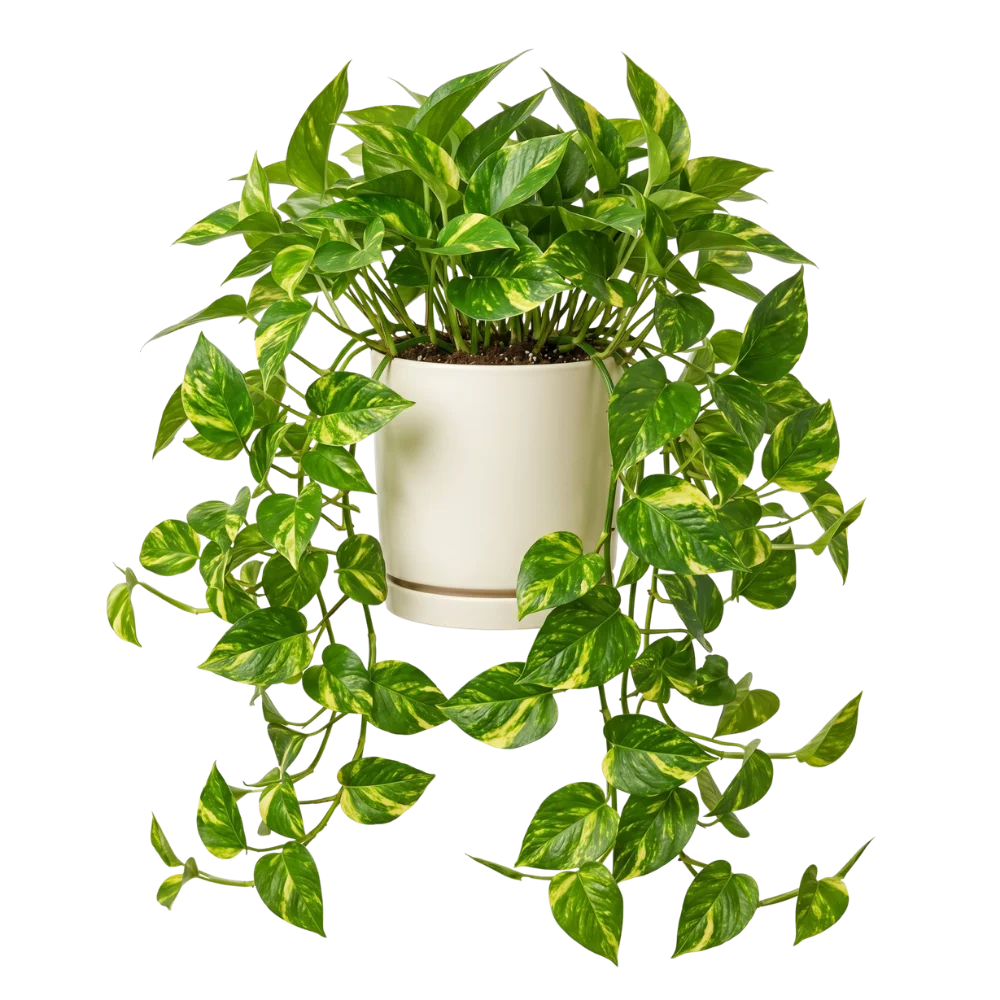
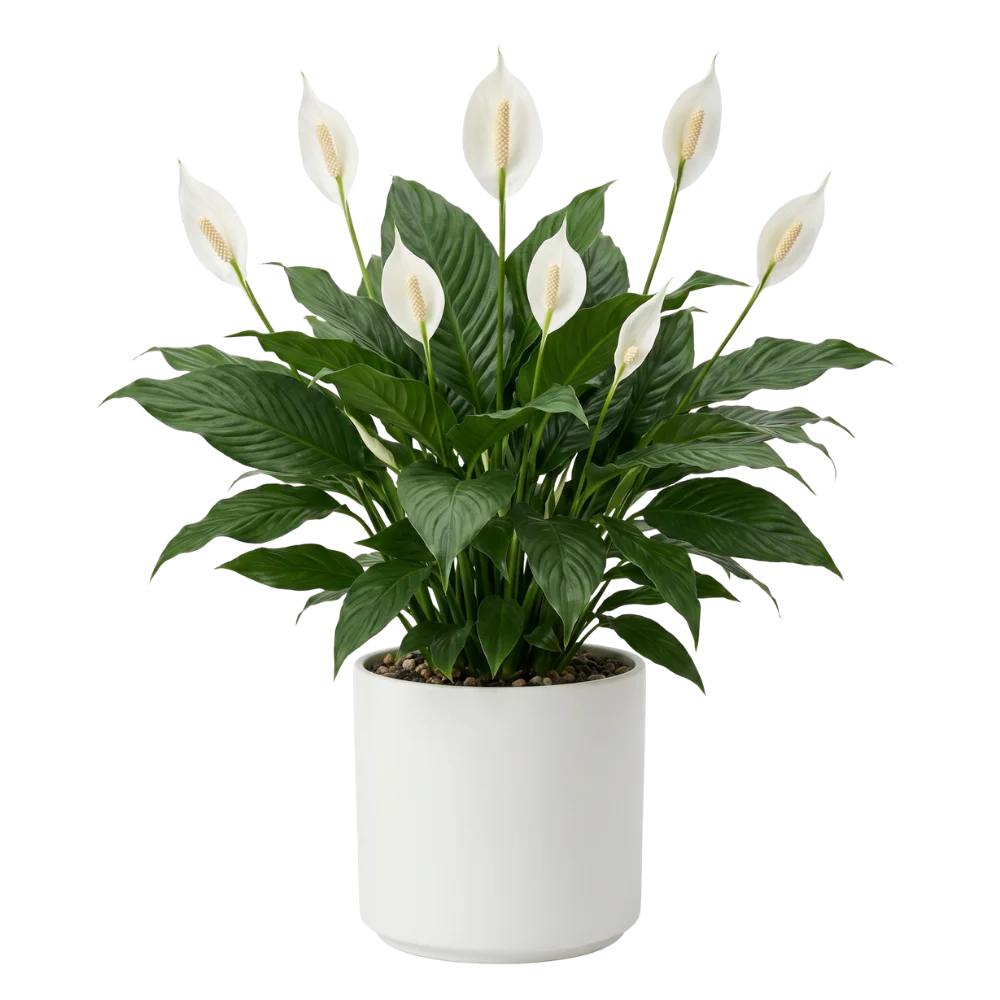
- Monstera, Philodendron, Pothos, Peace Lily — contain calcium oxalate crystals. Cause intense mouth and tongue irritation, drooling, occasional vomiting. Rarely require veterinary treatment. Most pets learn quickly not to chew them again.
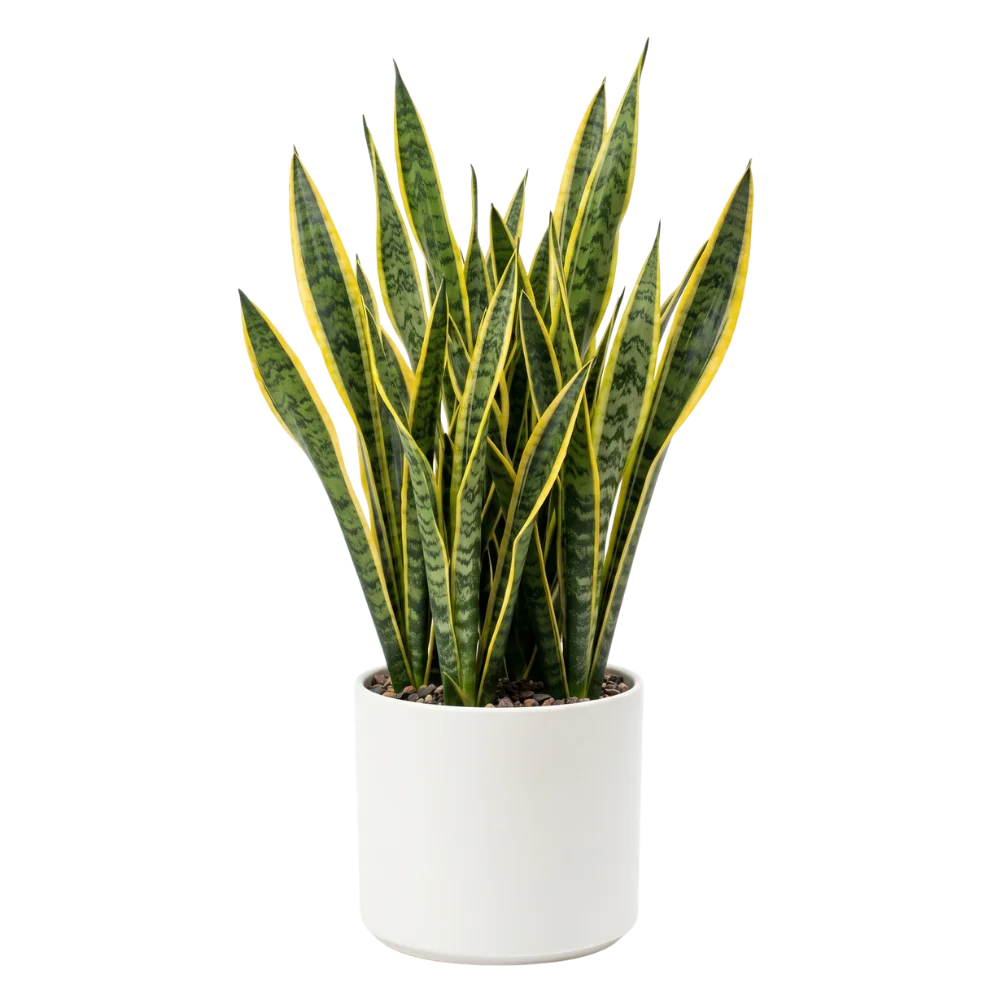
- Snake Plant (Dracaena trifasciata) — mildly toxic. Nausea and vomiting if ingested, but not dangerous in small amounts.
- Rubber Plant (Ficus elastica) — mild gastrointestinal irritation. Sap can cause skin irritation on contact.
The tool above shows severity levels precisely so you can make informed decisions rather than panicking over every "toxic" label.
Truly pet-safe houseplants
If you want zero risk, these popular houseplants are confirmed non-toxic to both cats and dogs by the ASPCA:
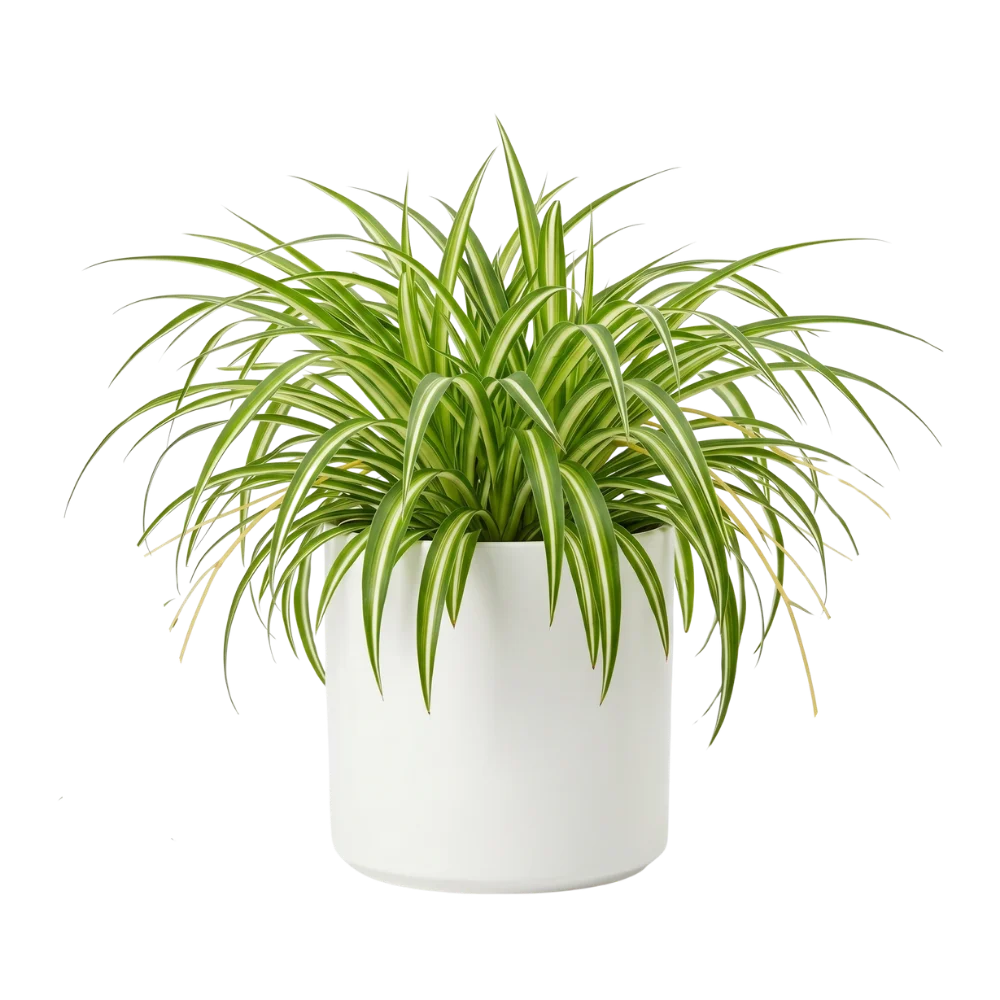
- Spider Plant (Chlorophytum comosum)
- Boston Fern (Nephrolepis exaltata)
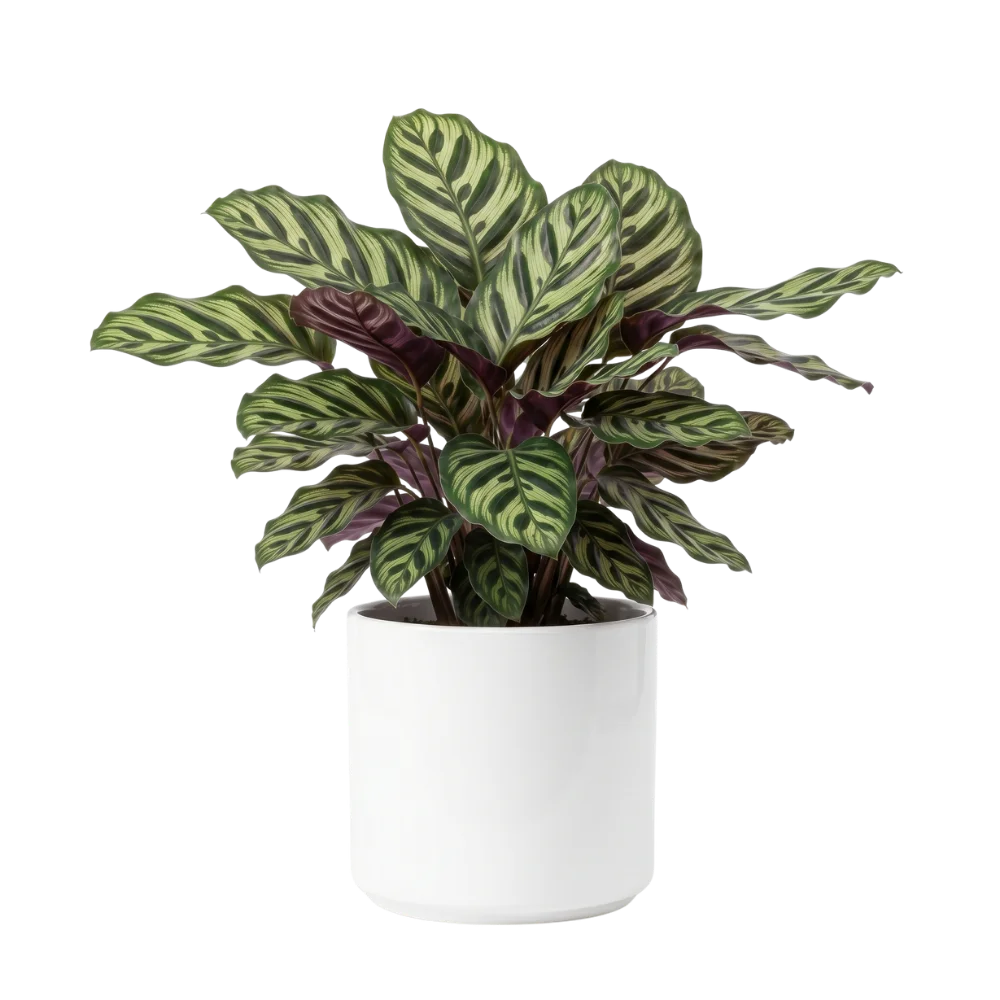
- Calathea (all species)
- Peperomia (all species)
- African Violet (Saintpaulia)
- Parlor Palm (Chamaedorea elegans)
- Cast Iron Plant (Aspidistra elatior)
- Polka Dot Plant (Hypoestes phyllostachya)
What to do if your pet eats a plant
First: identify the plant. Use the tool above or our plant identifier if you don't know what it is. The treatment depends entirely on which plant was ingested.
Second: check the toxicity level. If it's a mild irritant (calcium oxalate plants like monstera or pothos), rinse the mouth, offer water, and monitor for 24 hours. If it's a high-toxicity plant (lilies, sago palm, oleander), call your vet or ASPCA Poison Control immediately — don't wait for symptoms.
Third: do not induce vomiting unless specifically instructed by a veterinarian. Some toxins cause more damage on the way back up.
Fourth: bring a sample of the plant (or a photo) to the vet. Knowing the exact species changes the treatment protocol significantly.
Common houseplants: toxic or safe?
Tap any plant to see full toxicity details.
Check any plant's toxicity in seconds
Upload
Upload a photo of your plant, and we'll determine if it's toxic.
See safety for each species
Get a clear safe/toxic/deadly verdict for cats, dogs, and children — with severity level and toxic compounds.
Know what to do
If a plant is toxic, get emergency steps and hotline numbers immediately. No searching required.
Plant toxicity FAQ
Is monstera toxic to cats?+
Yes, mildly. Monstera contains calcium oxalate crystals that cause mouth irritation, drooling, and occasional vomiting if chewed. It's unpleasant but rarely requires veterinary treatment. Most cats learn not to chew it again after the first taste.
Are lilies dangerous for cats?+
Yes — true lilies (Lilium and Hemerocallis species) are one of the most dangerous plants for cats. Even small amounts, including pollen, can cause fatal kidney failure. If your cat has any contact with a lily, call your vet or ASPCA Poison Control immediately.
What houseplants are completely safe for pets?+
Spider Plant, Boston Fern, Calathea, Peperomia, African Violet, Parlor Palm, Cast Iron Plant, and Polka Dot Plant are all confirmed non-toxic to cats and dogs by the ASPCA.
What should I do if my dog eats a toxic plant?+
Identify the plant, check its toxicity level, and remove any remaining plant material from the mouth. For mild irritants, rinse with water and monitor for 24 hours. For highly toxic plants (sago palm, oleander, lilies), call your vet or ASPCA Poison Control ((888) 426-4435) immediately. Do not induce vomiting unless a vet tells you to.
Is snake plant toxic to dogs?+
Mildly. Snake plants can cause nausea, vomiting, and diarrhea if ingested, but they're not dangerous in small amounts. Most dogs don't find them appealing enough to eat a significant quantity.
Are succulents safe for pets?+
Most succulents are non-toxic or very mildly toxic. Haworthia, Echeveria, and Sempervivum are safe. Aloe vera is mildly toxic (causes vomiting). Euphorbia species (like pencil cactus) are moderately toxic. Check each species individually — "succulent" covers thousands of different plants.
Where does the toxicity data come from?+
Our database cross-references the ASPCA Animal Poison Control Center toxic plant database, the Pet Poison Helpline, and published veterinary toxicology literature. We are not veterinarians — for active poisoning emergencies, always call a professional.